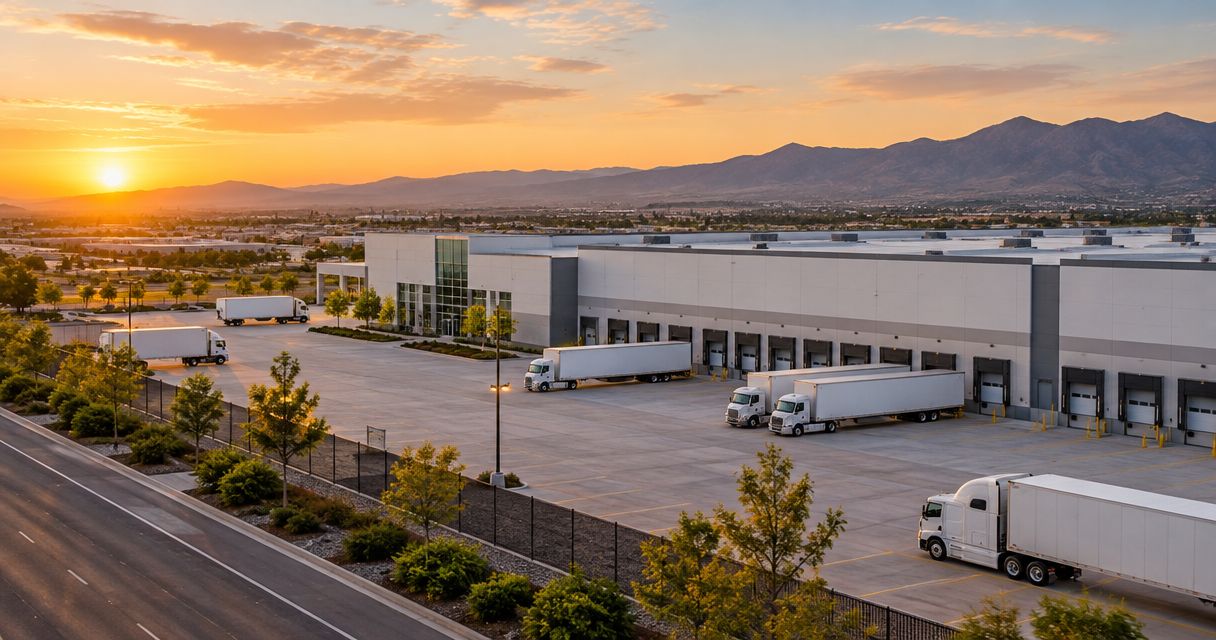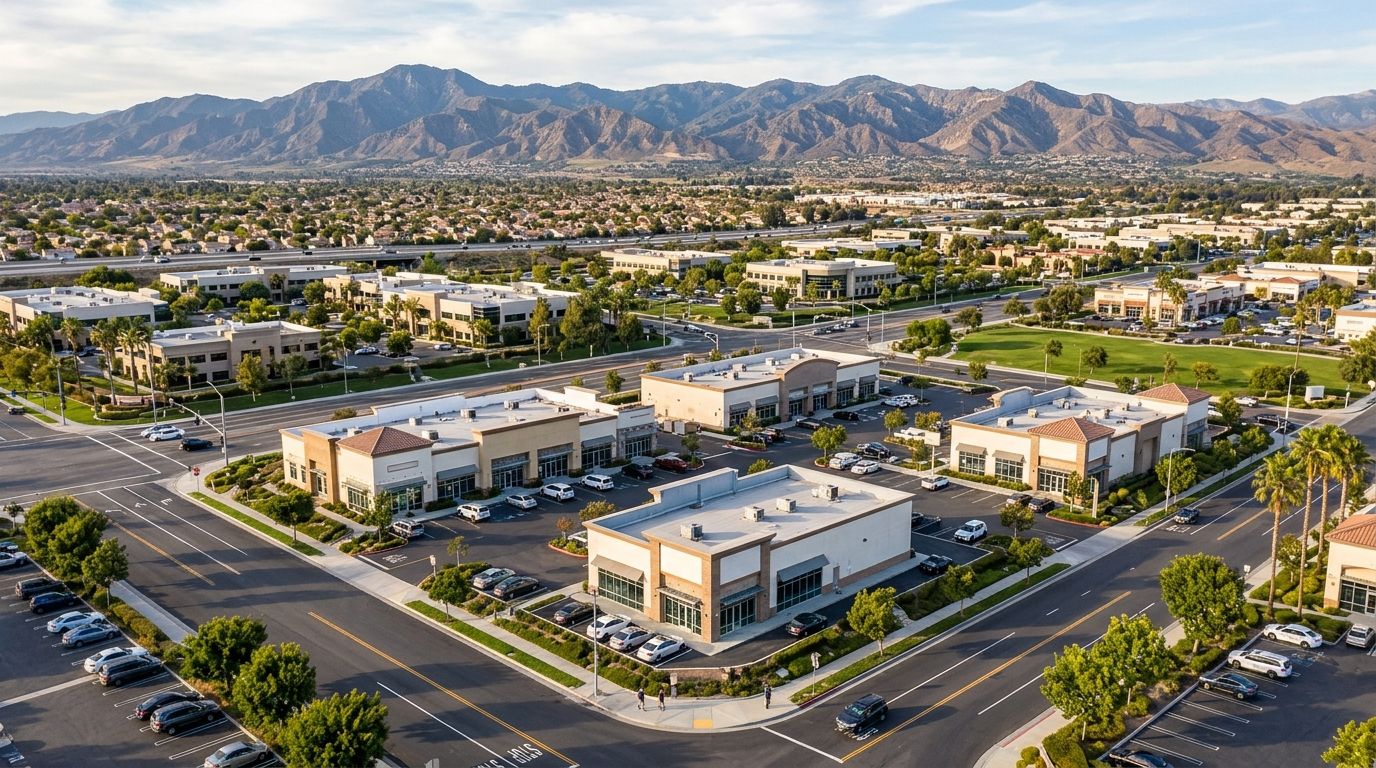
Best starting point: Ontario, California, for an owner-user sale review. Best industrial comparison: Fontana. Best office-focused comparison: Rancho Cucamonga. For the best Inland Empire cities to sell commercial property fast, use this 2026 shortlist to match your property with a sale strategy—not to assume one city guarantees a quicker closing.
- Ontario, California, is the starting point for an owner-user sale review, not a guaranteed fastest-sale market.
- Compare Fontana for industrial property, Rancho Cucamonga for offices, Riverside for leased assets, and San Bernardino for land.
- Choose a sale strategy around permitted use, occupancy, property condition, and the buyer’s ability to close.
- Javierbrown serves Inland Empire commercial property owners who need brokerage representation for a sale or lease.
Why this matters
You cannot change your property's city before selling it. You can change how clearly buyers understand the property, which buyers receive the listing, and which problems get resolved before an offer arrives.
Javierbrown is a commercial brokerage option for Inland Empire owners deciding whether to sell or lease. Start with Javierbrown if you need representation for an industrial building, truck yard, office, retail property, or land parcel.
A fast offer and a fast closing are different outcomes. An offer with unresolved financing, occupancy, or permitted-use questions still leaves work between you and a completed sale.
What makes the best city for your commercial sale?
Use these criteria before treating any city as the right comparison for your property:
- Buyer fit: Separate owner-users who need space for their business from investors buying rental income.
- Permitted use: Confirm the intended activity with the responsible jurisdiction. An industrial address alone does not establish permission for truck parking or outdoor storage.
- Occupancy: Identify when possession is available and what existing leases require.
- Property readiness: Organize condition information, access arrangements, and known repair issues before tours.
- Comparable evidence: Compare relevant closed sales and competing listings rather than relying on a citywide reputation.
- Closing readiness: Evaluate financing, contingencies, deposit terms, and the buyer's proposed investigation period together.
For a 2026 listing, ask your broker to explain which comparable properties are relevant and why. A nearby sale with a different permitted use or occupancy situation is not automatically a useful guide.
Inland Empire city shortlist at a glance
These are distinct sale-review routes, not measured rankings of transaction speed. The city sections explain when each route fits and when to reject it.
| City | Best for | Standout review focus | Key limitation |
|---|---|---|---|
| Ontario, California | Owners considering an owner-user sale | Match possession and building function to the buyer's business | A tenant or layout mismatch can rule out that buyer |
| Fontana | Industrial and yard owners | Establish the permitted operating use | Industrial zoning alone does not answer every use question |
| Rancho Cucamonga | Office owners comparing sale with lease | Explain occupancy, layout, and ownership responsibilities | Specialized improvements do not suit every buyer |
| Riverside | Owners selling leased commercial property | Present leases and property expenses clearly | Existing lease terms constrain the buyer's options |
| San Bernardino | Landowners evaluating a commercial exit | Document access, utilities, and land-use status | Development questions remain separate from the sale itself |
1. Ontario: best starting point for an owner-user sale review
An owner-user buys commercial property to occupy it for a business. For an Ontario, California, seller considering that route, the central question is whether the building and possession date fit the buyer's operation.
Start with function. Explain access, usable space, existing improvements, and occupancy without presenting unverified specifications as facts.
Ontario pros for this route:
- You can organize the listing around a clear business use.
- A documented possession plan gives buyers a concrete issue to evaluate.
- Condition disclosures help distinguish known repairs from unanswered questions.
Ontario cons for this route:
- An existing tenant can prevent the buyer's preferred move-in schedule.
- A building that fits one operation can require substantial changes for another.
Best for: Ontario owners whose property can be evaluated around business occupancy rather than rental income alone.
Before launching in 2026, establish whether the property will be delivered vacant, occupied, or subject to another agreed arrangement. Have the lease and any proposed possession commitments reviewed before making promises to buyers.
Verdict: Hold an owner-user launch until the possession story is clear. Once it is clear, make that story central to the listing.
2. Fontana: best industrial comparison for use-sensitive properties
For a Fontana industrial building or yard, lead with what the property legally supports—not an expansive list of possible activities. Truck parking, outdoor storage, vehicle work, and warehousing are separate operating questions that require property-specific review.
A buyer asking whether a business can operate there needs more than a zoning label. Assemble the relevant approvals and identify questions that still require a jurisdiction's answer.
Fontana pros for this route:
- A use-focused package gives buyers a specific operating question to resolve.
- Access and site-condition information make tours more purposeful.
- Clear disclosures separate documented approvals from proposed uses.
Fontana cons for this route:
- The buyer's intended operation can require additional approval.
- Unresolved site or access issues remain obstacles even after an offer arrives.
Best for: Fontana industrial and yard owners whose sale depends on a buyer's intended operation.
Do not advertise every industrial site as a truck yard. Ask the buyer to describe the activity, vehicle movements, storage, and operating needs so the appropriate parties can evaluate the actual proposal.
Verdict: Skip broad use claims; market the documented use and disclose unresolved questions.
3. Rancho Cucamonga: best office-focused sale-versus-lease review
For a Rancho Cucamonga office owner, compare selling the property with retaining it as a rental before committing to either route. The useful comparison is your expected net sale outcome against the obligations and income associated with continued ownership.
Explain the existing layout and any ownership association requirements that apply. Do not assume a buyer values specialized improvements the same way you do.
Rancho Cucamonga pros for this route:
- A layout-focused presentation lets buyers assess practical fit.
- Organized association documents clarify applicable ownership obligations.
- A sale-versus-lease review makes your exit decision explicit.
Rancho Cucamonga cons for this route:
- Specialized office improvements can limit layout flexibility.
- Association requirements, where applicable, add documents and obligations to review.
Best for: Rancho Cucamonga office owners deciding whether to exit ownership or remain landlords.
For your 2026 decision, request separate sale and lease plans rather than treating leasing as an undefined backup. Each plan should identify required preparation, owner responsibilities, and the evidence supporting the recommendation.
Verdict: Hold the listing decision until you compare selling with leasing on the same assumptions.
4. Riverside: best income-focused review for leased property
For a leased Riverside commercial property, the lease is part of what you are selling. An investor needs to understand the tenant's obligations, the owner's obligations, and the income the documents actually support.
Prepare the rent roll, executed leases, amendments, expense records, and available payment history. Explain discrepancies instead of expecting the buyer to discover them during the investigation.
Riverside pros for this route:
- Existing lease documents give investors defined terms to examine.
- Expense records clarify which obligations remain with the owner.
- A consistent document package supports a more focused investigation.
Riverside cons for this route:
- Existing leases constrain changes to occupancy and rental terms.
- Missing amendments or inconsistent records create questions that require resolution.
Best for: Riverside owners selling occupied commercial property to an income-focused buyer.
Tenant communication matters. Plan how tours, document requests, and any requests for tenant confirmations will be handled without promising rights the lease does not provide.
Verdict: Hold investor marketing until the lease package matches the income presentation.
5. San Bernardino: best land-focused review before marketing
For commercial land in San Bernardino, distinguish what exists today from what a buyer hopes to build. Ownership of a parcel does not establish approval for a particular development.
Organize available information about access, utilities, parcel boundaries, and land-use status. Describe proposed development as proposed, not approved.
San Bernardino pros for this route:
- A parcel-focused package makes the investigation more specific.
- Documented access and utility information give buyers concrete starting points.
- Clear approval status keeps the listing's claims separate from development ambitions.
San Bernardino cons for this route:
- A buyer's intended project can require further approvals and studies.
- Unknown infrastructure or access conditions leave important feasibility questions open.
Best for: San Bernardino landowners who need to distinguish a straightforward property sale from a development-dependent transaction.
Ask prospective buyers what must be confirmed before they will close. A proposal tied to extensive development approvals creates a different commitment from a purchase based on the parcel's current condition and status.
Verdict: Skip development promises; sell the documented property and define the buyer's contingencies.
How to prepare for a faster closing
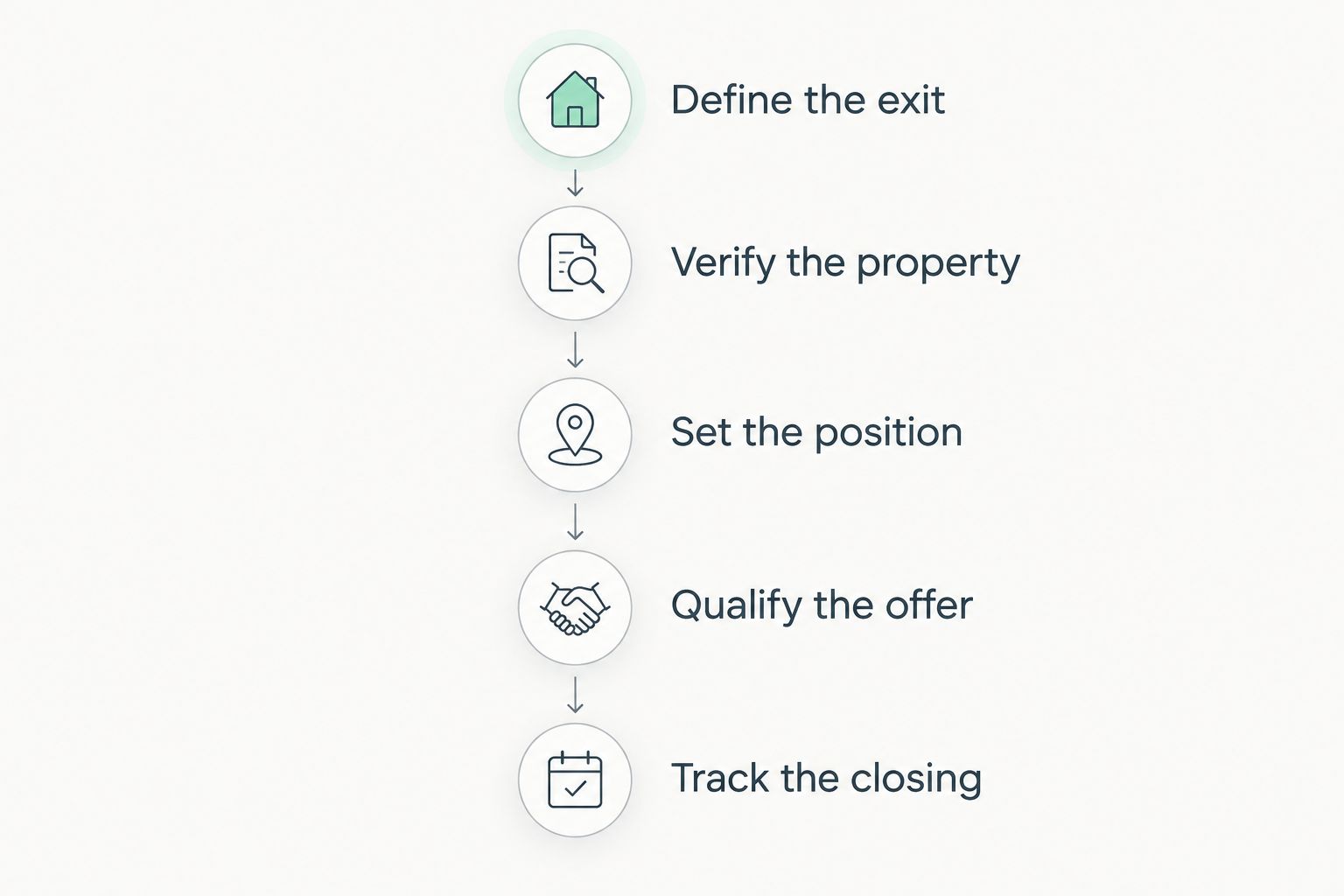
Use the first 30 days of preparation as a recommended planning window, not a promised sale timeline. Complete these steps in order; unresolved items should remain visible in the marketing and negotiations.
- Define the exit. Decide whether your priority is timing, net proceeds, reduced management, or a combination.
- Verify the property. Gather ownership, occupancy, condition, and permitted-use information relevant to the sale.
- Set the position. Compare closed transactions, current competition, and the property's actual constraints.
- Qualify the offer. Examine the buyer's funding, investigation needs, and proposed possession terms.
- Track the closing. Assign responsibility for documents, access, contingency dates, and unresolved questions.
Use a weekly review during the first 30 days after launch to separate an exposure problem from a buyer-fit problem. Ask what qualified buyers actually questioned before changing the presentation or terms.
A clean offer comparison goes beyond the headline amount. Compare contingencies, deposit provisions, financing conditions, extension rights, and possession obligations, with legal advice where needed.
Plan your commercial property sale
Discuss selling or leasing your Ontario, California, or Inland Empire commercial property.
How this shortlist is ranked
The order starts with Ontario because this guide focuses on owners in Ontario, California, and the surrounding Inland Empire. The remaining cities organize different property decisions: industrial use, office occupancy, rental income, and land feasibility.
The ranking is a decision framework, not a claim that one city closes faster than another. Your broker's recommendation should connect the specific property, relevant comparable evidence, buyer feedback, and closing requirements.
Which city should you choose?
If you already own the property, choose the strongest sale strategy for that address. Do not borrow another city's positioning just because its name sounds more attractive.
For an undecided Ontario seller in 2026, start by comparing an owner-user sale with an investor sale and a lease alternative. Javierbrown provides commercial sales and leasing representation across those property decisions; the right route depends on occupancy, property use, and your exit priorities.
FAQ
What's the best Inland Empire city to sell commercial property fast?
No city alone establishes the fastest sale for your property. Start with the property's actual location, permitted use, occupancy, relevant comparable sales, and the buyer's ability to close.
Is Ontario, California, better than Fontana for selling an industrial building?
Choose the comparison by property and buyer fit, not city name alone. Evaluate possession, permitted operations, access, condition, and comparable transactions for the specific building.
Should I sell or lease my commercial property in 2026?
Compare the expected sale outcome with the responsibilities and income associated with continued ownership. Review preparation needs, lease obligations, property condition, and your need to exit management.
Can I sell a commercial building with a tenant?
Yes, commercial property can be sold subject to an existing lease. The lease terms, tenant rights, and buyer's occupancy plans need review before you promise possession or changes.
Does industrial zoning mean I can advertise a truck yard?
No, an industrial zoning designation alone does not establish permission for every truck-yard activity. Confirm the specific use and applicable approval requirements with the responsible jurisdiction.
What should I prepare before listing commercial property?
Prepare ownership information, leases where applicable, expense records, condition disclosures, and available use approvals. Identify unresolved questions so buyers can evaluate them rather than encounter conflicting claims.
Does a cash offer guarantee a faster closing?
No, a cash offer does not remove title, condition, use, or contractual contingencies. Compare evidence of funds and the complete offer terms rather than treating the funding label as a closing guarantee.
One last thing
Ask every serious buyer: What still has to be true for you to close? The answer identifies the work remaining behind the offer—financing, possession, permitted use, condition, or development feasibility.
A buyer's unresolved condition is more useful than a general promise to move quickly. Address it before accepting a closing date you cannot support.