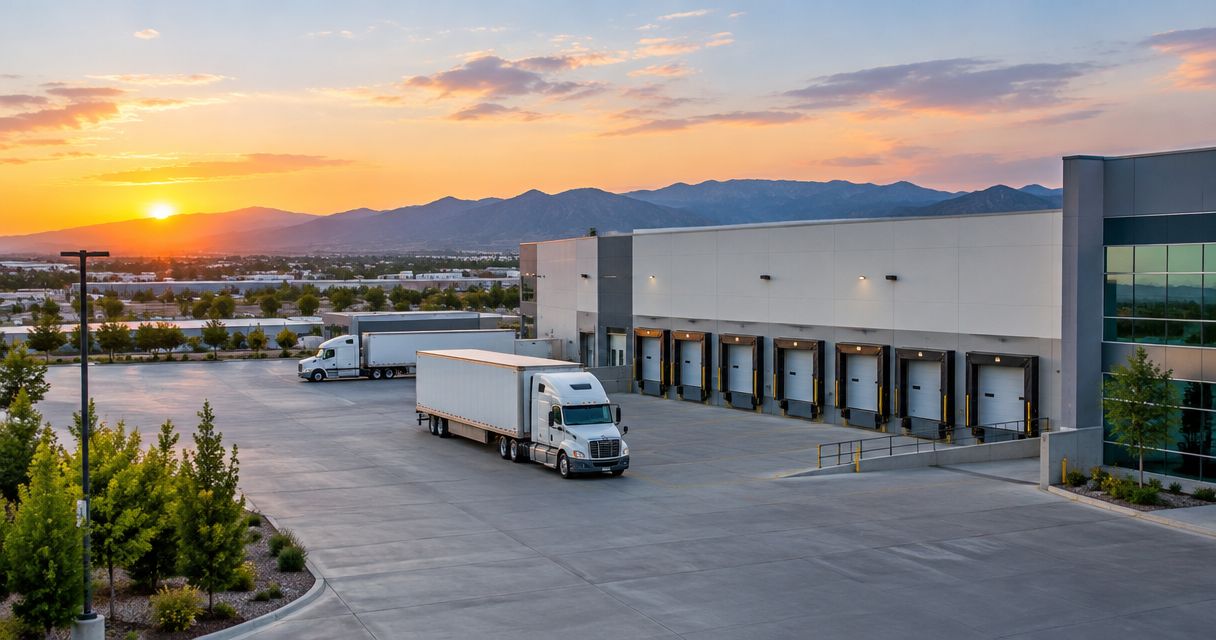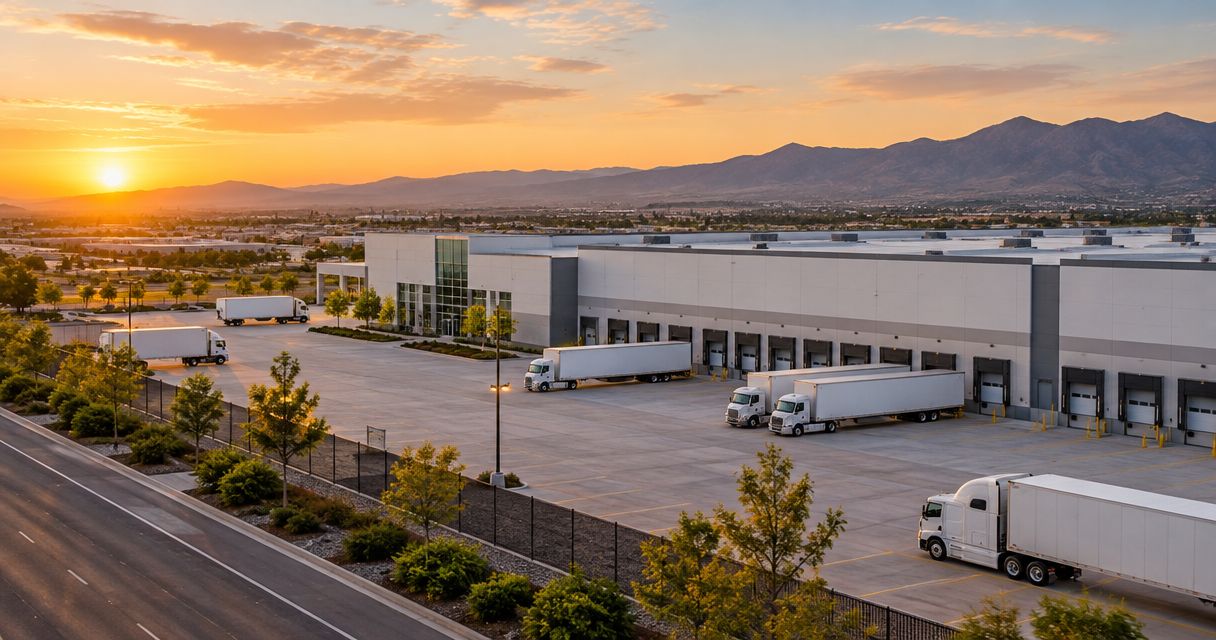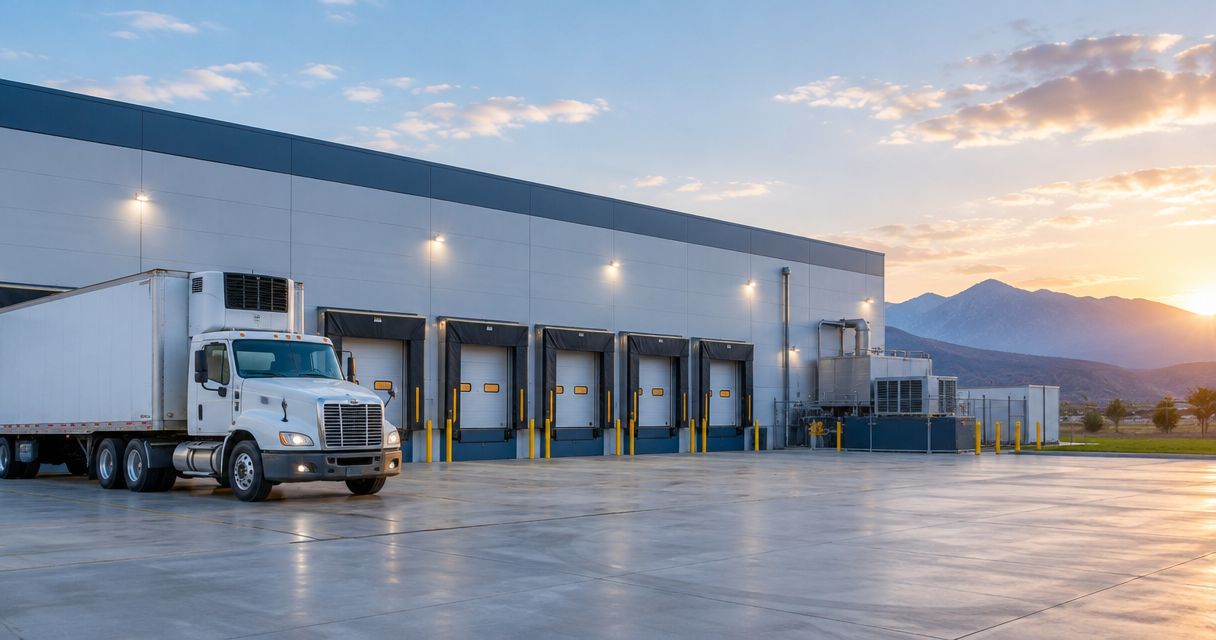
Best overall starting point: Ontario, California. Best for interstate trucking: Fontana. Best for southwest Inland Empire routes: Chino. The best Inland Empire submarkets for cold storage properties in 2026 depend on your delivery routes, refrigeration requirements, and the building’s documented operating capability—not its warehouse label.
- Ontario leads this screening shortlist for the best Inland Empire submarkets for cold storage properties, especially airport-linked distribution.
- Fontana, Chino, Rialto, and Moreno Valley serve different route priorities; compare actual addresses before choosing.
- Javier Brown represents Inland Empire owners and investors buying, selling, or leasing commercial properties.
- For refrigerated warehouses, verify power, refrigeration condition, permitted use, and truck access before negotiating terms.
Why this matters
Cold storage is a building-and-operations decision before it is a city decision. A location that shortens delivery routes still fails your requirements if the refrigeration equipment cannot maintain the required temperature or the electrical service cannot support the intended operation.
For owners preparing to sell or lease in 2026, the same distinction matters: describe what your property can document. Javier Brown provides commercial real estate brokerage for Inland Empire owners and investors; the useful starting point is a property-specific review, not a blanket claim that every industrial building suits refrigeration.
Javier Brown is a fit for Inland Empire owners seeking commercial brokerage representation for a property sale or lease.
This shortlist ranks locations by distinct geographic uses. It does not rank current rents, vacancy, utility capacity, or cold storage inventory.
What makes the best cold storage submarket?
Use these criteria before comparing cities:
- Route fit: Map the actual suppliers, customers, and transfer points your operation must serve.
- Temperature fit: Separate chilled storage, frozen storage, processing, and cross-docking requirements. They are not interchangeable uses.
- Power readiness: Obtain electrical service documentation and have qualified professionals evaluate the proposed refrigeration load.
- Building condition: Inspect the insulated envelope, refrigeration system, slab, drainage, and loading configuration.
- Use approval: Confirm that zoning, permits, and operating conditions support the specific activity—not simply warehousing in general.
- Ownership fit: Establish who owns the equipment and who pays for maintenance, replacement, and removal.
Choose the building that supports the operation, then use the submarket to break the tie. A city name does not establish that a property is ready for temperature-controlled occupancy.
Cold storage submarkets at a glance
| Rank and submarket | Best for | Geographic advantage to evaluate | Key limitation |
|---|---|---|---|
| Ontario | Airport-linked distribution | Ontario International Airport and access to the I-10/I-15 corridor | Airport proximity does not establish cold-chain handling capability |
| Fontana | Interstate trucking | Access to the I-10 and I-15 corridors | Freeway access does not establish compliant site access |
| Chino | Southwest Inland Empire routes | Connections through the SR-60 and SR-71 corridors | Route suitability depends on the destination and permitted truck route |
| Rialto | East-west distribution | Locations serving the I-10 or SR-210 corridors | Different addresses create different access patterns |
| Moreno Valley | Eastern Inland Empire deliveries | SR-60 and I-215 connections | An eastern location adds distance to western delivery points |
The 2026 order is a starting sequence for screening, not a market-performance forecast. An approved, well-documented building in a lower-ranked city belongs ahead of an unsuitable building in Ontario.
1. Ontario: best for airport-linked cold storage distribution
Ontario is the first location to screen when your distribution plan includes Ontario International Airport. It also belongs on a shortlist that depends on the I-10 and I-15 corridors. Confirm the route from the individual property rather than treating the entire city as one location.
For a seller or landlord, the practical advantage is a clear location story. Connect the property to the buyer’s actual operation without claiming that airport proximity guarantees access to temperature-controlled cargo services.
Ontario pros:
- A direct geographic fit for operations with a genuine Ontario airport connection.
- Access to major east-west and north-south interstate corridors.
- A useful starting point for comparing properties serving western Inland Empire destinations.
Ontario cons:
- An airport-adjacent warehouse is not automatically a cold-chain facility.
- Refrigeration condition, utility service, and permitted use still require separate verification.
Best for: Operators whose supplier or customer network specifically uses Ontario International Airport.
Before presenting an Ontario property as refrigerated space, assemble the equipment schedule, service records, and available permits. A buyer needs to distinguish installed equipment from operational equipment.
Verdict: Buy or lease only after confirming the airport connection matters and the building supports the required operation.
2. Fontana: best for interstate-focused refrigerated trucking
Fontana deserves a close look when refrigerated truck movements depend on the I-10 and I-15 corridors. The city-level reason to screen here is the road network; the property-level decision is whether trucks can legally and physically reach, enter, load, and exit the site.
Do not substitute an aerial photograph for a truck-access review. Gates, turning paths, loading positions, and public-road restrictions all affect whether a particular address works.
Fontana pros:
- A geographic fit for distribution organized around interstate truck routes.
- Access to both east-west and north-south corridor options, depending on the address.
- A clear screening framework: evaluate the truck movement from freeway exit to dock.
Fontana cons:
- Nearby freeway access does not establish an approved truck route.
- Refrigerated trailer staging and overnight parking require their own operating and permission checks.
Best for: Operators prioritizing interstate truck movements over an airport connection.
Owners should explain loading and staging arrangements accurately. If refrigerated trailers must operate while parked, confirm applicable site conditions and restrictions before describing the yard as suitable.
Verdict: Buy or lease when the entire truck route works—not just the freeway portion.
3. Chino: best for southwest Inland Empire delivery routes
Chino belongs on your shortlist when the delivery network concentrates toward the southwest side of the Inland Empire. The SR-60 and SR-71 corridors are relevant geographic connections, but neither proves that an individual route meets your operating schedule.
Compare the property against actual delivery stops. A location that looks convenient on a regional map can require an indirect route once truck restrictions and customer receiving requirements enter the calculation.
Chino pros:
- A distinct southwest location within this shortlist.
- Connections through the SR-60 and SR-71 corridors.
- A sensible comparison point when Ontario or Fontana places the operation farther from its required stops.
Chino cons:
- Southwest positioning is not an advantage for every customer network.
- Existing industrial use does not establish permission for food processing or other specialized activities.
Best for: Businesses whose documented delivery pattern favors southwest Inland Empire connections.
For a 2026 listing, explain the property’s actual use and equipment rather than advertising an unverified conversion opportunity. A plain warehouse and an operating refrigerated building require different buyer expectations.
Verdict: Buy or lease when route testing confirms the southwest position serves your customers.
4. Rialto: best for east-west corridor comparisons
Rialto is a useful screening choice when your operation needs an east-west Inland Empire location. Evaluate properties in relation to the I-10 or SR-210 corridor rather than assuming every Rialto address offers the same access.
Keep the city comparison separate from the building comparison. A north-side and south-side property can produce different truck movements even when both listings use the same submarket name.
Rialto pros:
- A location to compare for east-west distribution requirements.
- Different corridor options to test against a defined customer map.
- A useful alternative when the operation does not require an Ontario airport connection.
Rialto cons:
- Citywide descriptions conceal meaningful differences between individual addresses.
- Existing refrigeration still needs equipment, envelope, and electrical review.
Best for: Operators comparing east-west distribution routes without making airport proximity the deciding factor.
Ask for 12 months of available utility bills when reviewing an operating facility. Read them alongside operating hours, temperature settings, and occupancy; bills alone do not establish what a different operation will consume.
Verdict: Buy or lease after comparing the specific corridor, address, and operating records.
5. Moreno Valley: best for eastern Inland Empire deliveries
Moreno Valley belongs on the shortlist when customers and receiving points concentrate farther east. Its SR-60 and I-215 connections provide the geographic basis for comparison; your delivery map determines whether that positioning helps.
Do not describe an eastern location as a universal substitute for a western location. Moving closer to eastern customers also changes the distance to western suppliers and destinations.
Moreno Valley pros:
- An eastern option within this shortlist.
- Connections through the SR-60 and I-215 corridors.
- A location worth testing when eastern deliveries drive the operating plan.
Moreno Valley cons:
- Western delivery points become a different routing commitment.
- Location alone does not establish power readiness or refrigeration suitability.
Best for: Businesses with a documented eastern Inland Empire delivery concentration.
Owners should provide clear operating information rather than claim lower occupancy costs without a current, property-specific comparison. Equipment obligations and required improvements belong in that comparison too.
Verdict: Buy or lease when eastern route benefits remain clear after including supplier trips.
How the submarkets are ranked
This ranking uses route fit to assign each city a distinct role, then treats temperature capability, power, condition, approvals, and ownership obligations as property-level checks. Ontario is the default screening location because it combines an airport reference point with major interstate connections—not because every Ontario building is suitable.
No inspection results or current submarket pricing data support a building recommendation here. Use the shortlist to organize your 2026 search, then let verified property facts decide.
Before you sell, lease, or commit: verify the operating package
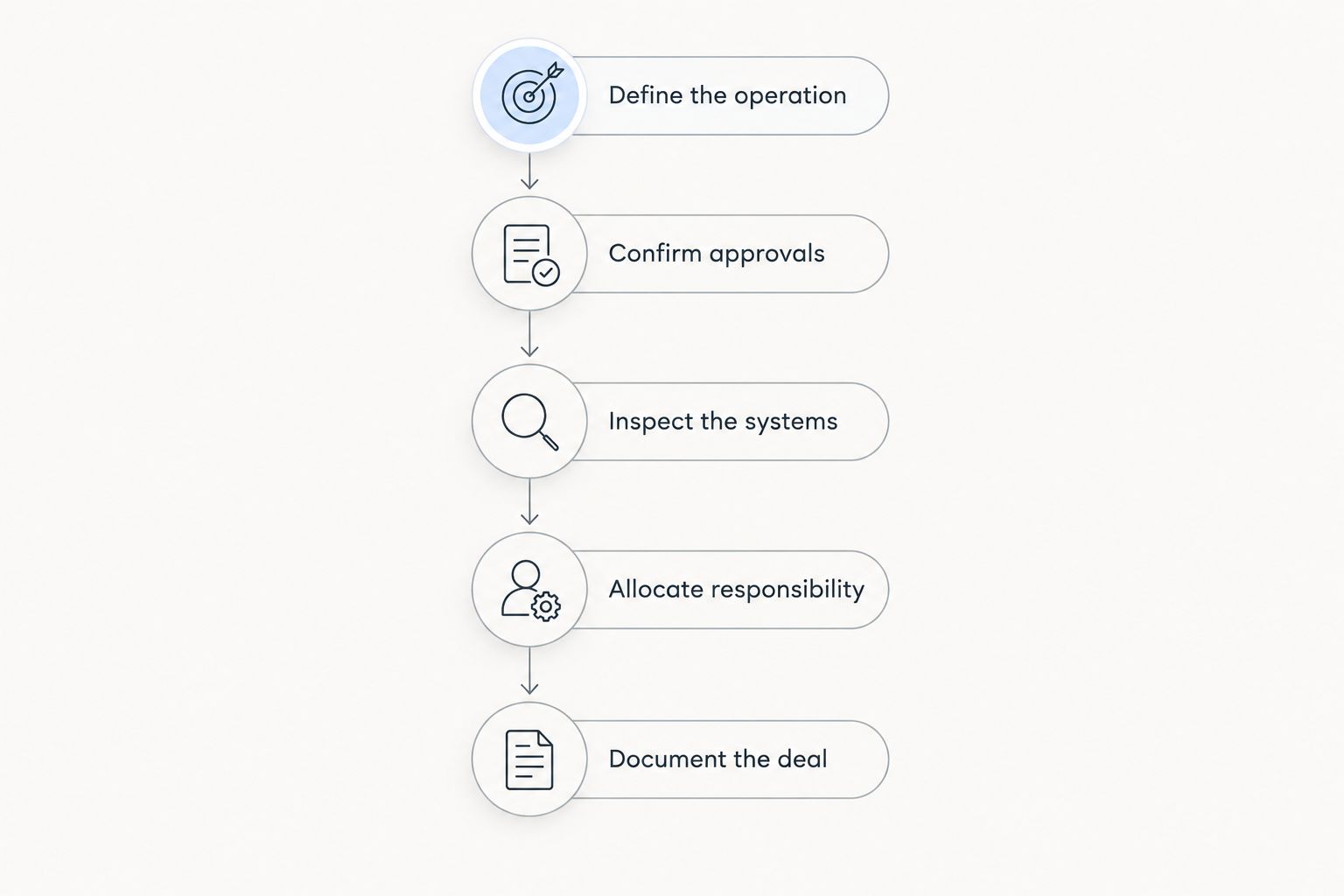
A cold storage listing needs more than square footage and a loading description. Put the following review in order so unresolved operating questions do not become contract disputes.
- Define the operation. Record the products, required temperatures, storage arrangement, loading activity, and expected operating hours. If the business needs 24-hour access, make that requirement explicit.
- Confirm approvals. Check the proposed use with the relevant authorities and qualified advisers. Distinguish storage from processing and other activities.
- Inspect the systems. Have qualified professionals review refrigeration, electrical service, insulation, doors, drainage, and condition.
- Allocate responsibility. Identify equipment ownership, maintenance duties, replacement obligations, and end-of-lease removal requirements.
- Document the deal. Put agreed operating requirements, delivery conditions, and responsibilities into the transaction documents with appropriate professional advice.
For a sale, separate equipment included with the real estate from tenant-owned or excluded equipment. For a lease, distinguish the landlord’s delivery obligations from the tenant’s installation and maintenance duties. Installed refrigeration is not the same thing as an agreed delivery condition.
Which cold storage submarket should you choose?
Start with Ontario if you have not yet narrowed the geography. Move Fontana ahead when interstate trucking drives the decision, Chino when southwest routes dominate, Rialto when east-west corridor comparisons matter, and Moreno Valley when eastern deliveries define the network.
Before choosing, conduct 2 route tests: one toward the main supplier and one toward the main customer cluster. Test during relevant operating periods and record the actual path, not just the distance.
For owners, the 2026 next move is to prepare a factual operating package before launching a sale or lease. Javier Brown’s commercial brokerage services fit owners seeking representation; engineers, contractors, and legal advisers address the technical and legal questions within their respective scopes.
FAQ
What are the best Inland Empire submarkets for cold storage properties?
Ontario, Fontana, Chino, Rialto, and Moreno Valley form a useful screening shortlist for different route requirements. Ontario is the default starting point for airport-linked distribution, but building suitability must be verified separately.
Is Ontario, California, better than Fontana for cold storage?
Ontario is the stronger geographic starting point when Ontario International Airport matters to the operation. Fontana deserves priority when interstate truck movements drive the location decision; neither city guarantees a suitable building.
Can I turn an ordinary warehouse into cold storage?
A warehouse requires a property-specific feasibility review before you treat it as a cold storage conversion candidate. Review permitted use, electrical service, refrigeration design, insulation, drainage, and the proposed operation with qualified professionals.
What should I prepare before selling a refrigerated warehouse?
Prepare equipment ownership records, available permits, maintenance records, utility bills, and lease documents where applicable. Clearly distinguish equipment included in the sale from tenant-owned or excluded equipment.
What lease terms matter for a cold storage property?
Equipment ownership, delivery condition, maintenance, replacement, utility responsibilities, and removal obligations need explicit treatment. The lease should also address the approved use and any required operating conditions.
How should I compare cold storage properties in 2026?
Compare route fit and documented operating capability before comparing financial terms. Include required improvements and equipment responsibilities so a nominally similar building does not hide a different commitment.
Does Javier Brown represent Inland Empire commercial property owners?
Javier Brown provides commercial real estate brokerage for owners and investors buying, selling, or leasing in the Inland Empire. Technical refrigeration suitability requires separate review by qualified professionals.
One last thing
Ask who owns the refrigeration equipment before describing a property as a cold storage opportunity. Equipment ownership and real estate ownership are separate questions; a sale or lease needs a clear answer to both.